Sheet-Pan Pork Tenderloin With Apples
Pork tenderloin, apples, and potatoes roast together on one pan. A quick mustard glaze gives the pork a golden crust while the apples soften into a sweet-tart sauce.
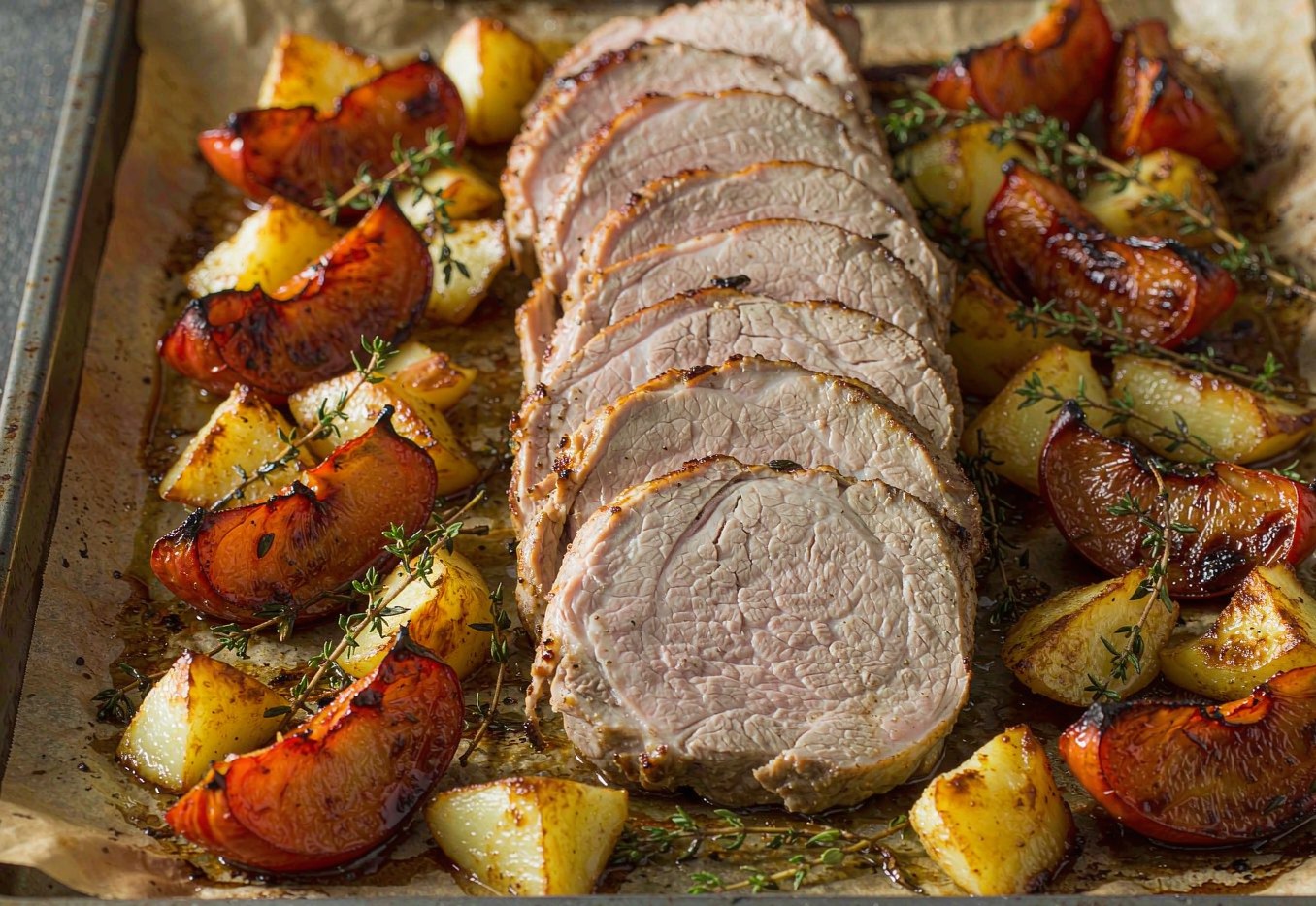
Pork tenderloin is lean and cooks fast, which makes it ideal for a weeknight sheet-pan dinner. The trick is not to overcook it; pull the pan when the center reaches 145 degrees F and let it rest. The carryover heat will finish the job without drying the meat out.
Apples Do Two Jobs at Once
Sliced apples release pectin and sugar as they roast, which thickens into a light sauce around the pork and potatoes. Tart apples like Honeycrisp or Granny Smith hold their shape better than softer varieties, so they stay in distinct pieces rather than turning into applesauce.
Cut the apples into thick wedges, about 12 pieces per apple. Thin slices dry out and can burn before the pork is done. Toss them with a little oil and a pinch of salt and spread them cut-side down so the cut surfaces caramelize against the hot pan.
A Mustard Glaze With No Added Sugar
Dijon mustard, apple cider vinegar, and a small amount of oil make a glaze that browns quickly in a hot oven and cuts through the richness of the pork. Brush it on after the first 10 minutes of roasting so the sugars in the mustard do not scorch before the pork cooks through.
Ingredients
- 1 1/4 lb pork tenderloin, silver skin removed
- 2 medium apples, cored and cut into wedges
- 1 lb baby potatoes, halved
- 2 tbsp olive oil, divided
- 3 tbsp Dijon mustard
- 1 tbsp apple cider vinegar
- 3 garlic cloves, minced
- 1 tbsp fresh rosemary, chopped
- 1 tsp kosher salt
- 1/2 tsp black pepper
Steps
Heat the oven and prep the produce
Set the oven to 425 degrees F. Halve the potatoes and core and wedge the apples. Pat the pork tenderloin dry with paper towels; moisture on the surface keeps it from browning.
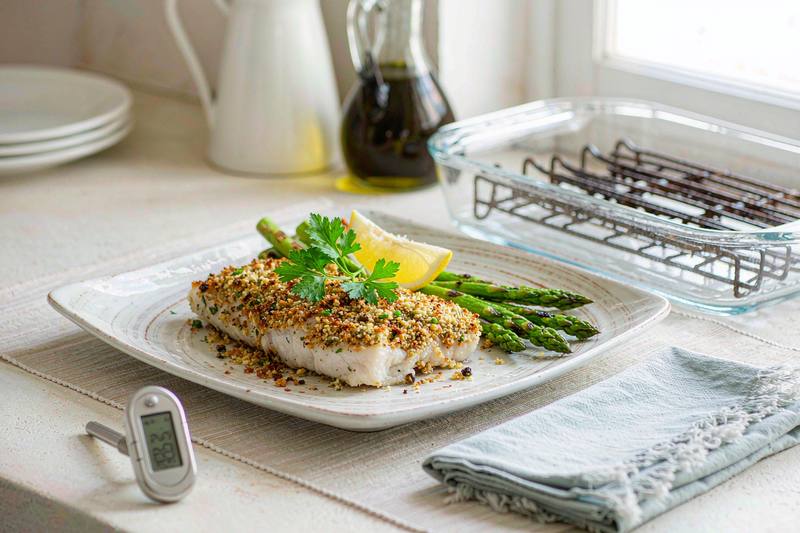
Season the potatoes and apples
Toss the potatoes and apples with 1 tablespoon of oil, half the salt, and half the pepper. Spread them on a large rimmed sheet pan cut-side down so they make good contact with the hot metal.
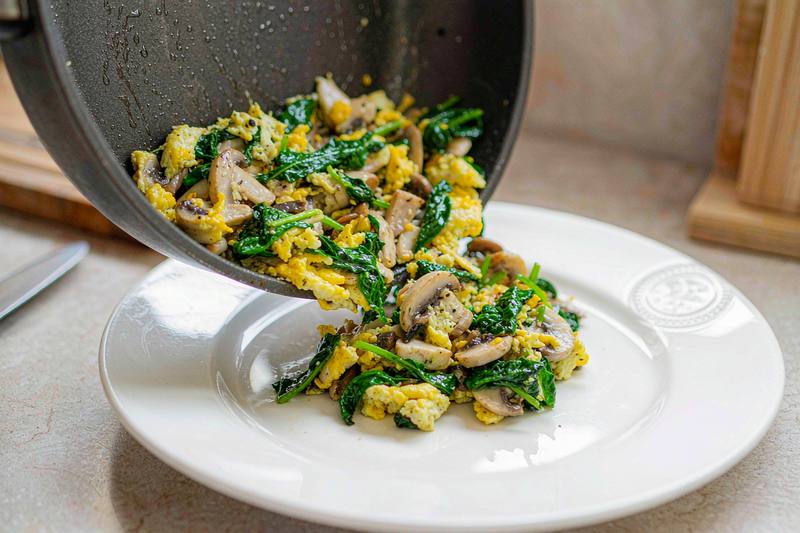
Sear the pork quickly
Heat the remaining oil in a skillet over medium-high. Sear the pork on all sides, about 2 minutes per side, until it has a light brown crust. This step is optional but adds color.
Roast the pork and vegetables
Place the pork in the center of the sheet pan and roast for 10 minutes. While it roasts, stir together the mustard, vinegar, garlic, rosemary, and remaining salt and pepper.
Glaze and finish roasting
Remove the pan and brush the mustard mixture over the pork. Return to the oven and roast 10 to 12 minutes more, until the thickest part of the pork registers 145 degrees F.
Rest and slice
Transfer the pork to a cutting board and let it rest 5 minutes. Toss the apples and potatoes in the pan juices, then slice the pork and serve everything together.
Keeping Pork Tenderloin Juicy
- Use an instant-read thermometer and pull the pork at 145 degrees F. Carryover cooking will raise the temperature another 5 degrees as it rests.
- If the apples finish before the pork, transfer them to a bowl and keep the pork in the oven. They should be tender and lightly caramelized, not mushy.
- Leftover pork makes a good sandwich the next day. Slice it thin and serve with a little whole-grain mustard.
Nutrition per serving
| Calories | 385 kcal |
| Protein | 32 g |
| Carbohydrates | 32 g |
| Fat | 14 g |
| Sodium | 480 mg |